September 29, 2026
Looking Through the Lens of Love
Suffering has a way of changing what we see. When we are in pain—or when we stand beside someone who is—we can easily become focused on the wound itself. We ask why this happened. We wonder how long it will last. We may look for something to fix, something to explain, or someone to blame.
But there is another way of looking. I have come to call it the Lens of Love.
To look through the lens of love is not to pretend that suffering is good. It is not to tell ourselves that everything happens for a reason, or that God planned the painful thing that has happened to us. I don't believe that God authors suffering. But I do believe that God can be found within it.
God is present.
That distinction matters.
Everyone suffers
Over the years, I have spent a great deal of time reading about the lives of people whose faith has deeply influenced others—people we might call holy. I began to notice something striking. Suffering was always there. Sometimes it was physical illness. Sometimes grief. Sometimes rejection, loneliness, poverty, addiction, failure, persecution, disappointment, or the loss of someone they loved. Some carried wounds that remained with them for years. Others lived with questions that were never fully processed, let alone answered.
And yet, suffering itself was not what made these lives holy. Everyone suffers. It's a part of being human. It comes to the devout and the doubtful, the generous and the selfish, the successful and the forgotten. Pain does not automatically make us wiser, kinder, or closer to God.
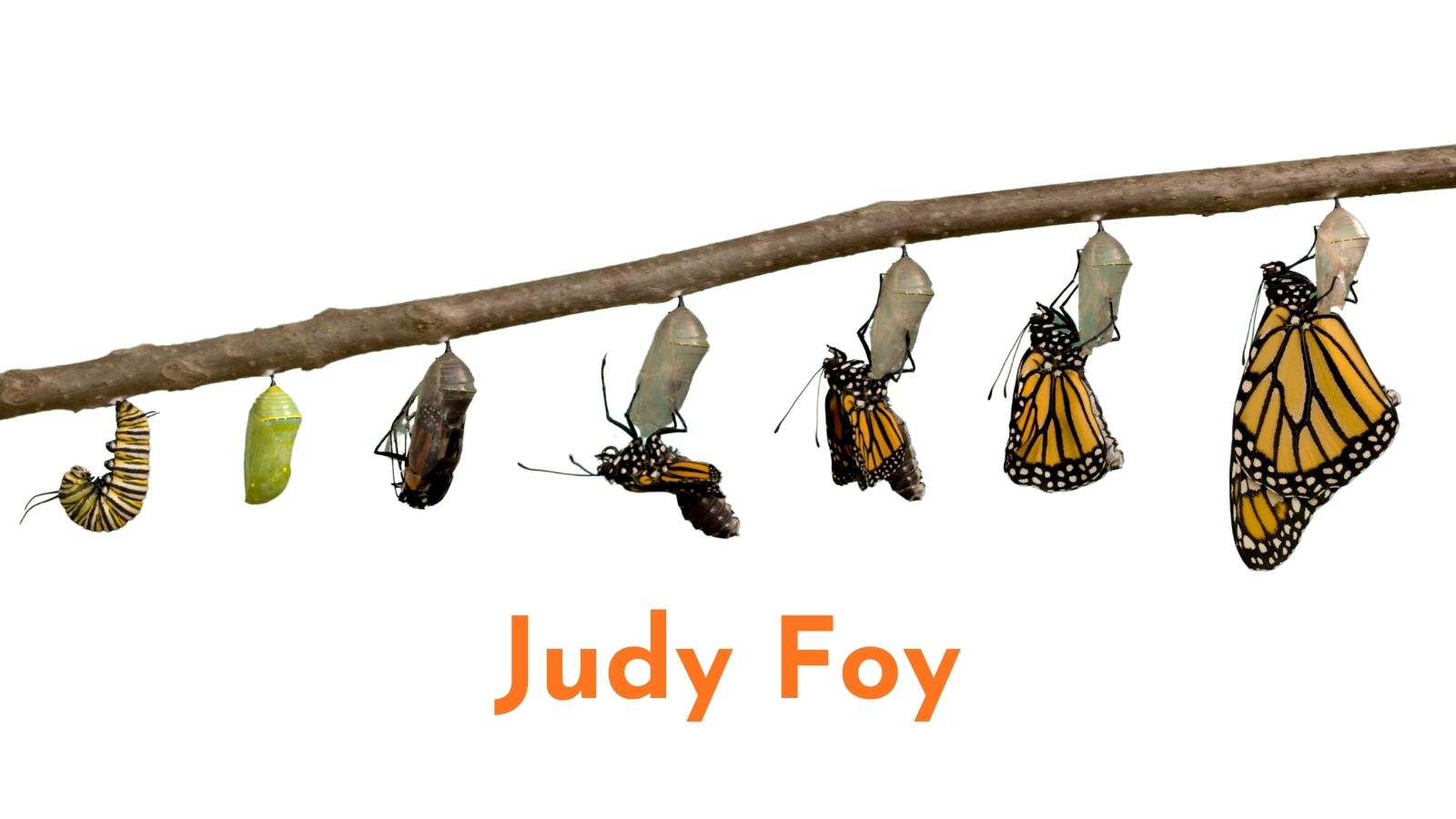
So what was different in the lives I was reading about? I began to see something like an alchemy—not an alchemy that transforms suffering into something good, but one in which God's grace can transform what suffering touches.
The suffering remains real. The wound may remain a wound or perhaps transform into a scar. But something else can begin to happen within the person who carries it. A heart can soften. A false certainty can fall away. A person can become more compassionate because they know what it means to hurt.
Someone who once needed to control everything may gradually learn to surrender. Someone who felt abandoned may begin to notice God's quiet presence. Someone who could not see beyond the immediate pain may, years later, recognize that grace was present in places they could not see at the time.
This didn't always happen every time the holy person suffered. And it is not something for which there is a formula or that they even deliberately manufactured.
The lens of love
The Lens of Love changes the question.Instead of asking only, Why is this happening? we might begin to ask, Where is God in this? Not because we expect an easy answer because much of the time there isn't one.
Rather, we begin to look for the traces of God's presence: the person who shows up at exactly the right moment, and we may never see again, the unexpected kindness, the strength we did not know we had, the capacity to forgive that seemed impossible, the quiet movement toward surrender, the grace to endure one more day. Sometimes, often, God's presence is not dramatic at all.
It may be found in silence. In a hand held. In tears. In a decision not to give up. In the ability to sit beside another person's suffering without trying to explain it away.
Looking through the lens of love also changes how we look at another person's suffering. When someone we love is hurting, our instinct is often to make the suffering stop. We may find ourselves wanting to run away, or blame the one who is suffering We want to offer an answer, a solution, an explanation. And sometimes practical help is exactly what love requires. But there are moments when love asks something different of us.
It asks us to remain. To listen. To resist the temptation to explain what we cannot explain. To recognize that the person in front of us is not a problem to be solved or to be run away from. Suffering is not contagious. The person who is suffering is a person whose life is still being held by God, as is ours.
Suffering is not the destination
I don't believe God sends suffering in order to make us holy. But I do believe that when suffering enters our lives, God can meet us there. And sometimes, when we become willing to notice that presence, something begins to change. It's necessarily the circumstances that change, or the pain that goes away. Very often, it's us. This is where I have come to understand the spirituality of suffering less as an explanation of why suffering happens and more as an invitation to notice what happens when God's love meets us in the middle of it.
There may be a long time when we see nothing but darkness. There may be no immediate lesson, no satisfying meaning, no beautiful resolution. That is part of being human, too. Grace does not always announce itself while we are suffering. Sometimes we recognize it only much later. Looking back at the lives of people who have gone before us, I often see this clearly. Their suffering did not disappear. Their wounds were not necessarily erased. In fact, there were usually were new wounds heaped upon their old ones. Their lives were not tidy.
But somehow, through their response to what they had been given to carry—and through God's persistent presence within it—their lives became places where love could be seen. Perhaps that is the alchemy: Not that suffering becomes holy, but that love can enter suffering, and grace can emerge from places we never would have chosen to go.
And sometimes, years, even decades later, we can look back and realize that God was there all along, not as the author of the wound, but as the One who never left us in it.
-----------------------------------------------------------------------------------------------------------------------------------------------------
September 23, 2026
Seems worth sharing today; no additional words necessary...
My Salvation History
St. Ignatius
I asked God for strength, that I might achieve.
I was made weak, that I might learn humbly to obey.
I asked for health, that I might do greater things.
I was given infirmity, that I might do better things.
I asked for riches, that I might be happy.
I was given poverty, that I might be wise.
I asked for power, that I might have the praise of others.
I was given weakness, that I might feel the need of God.
I asked for all things, that I might enjoy life.
I was given life, that I might enjoy all things.
I got nothing that I asked for, but everything I hoped for.
Almost despite myself my unspoken prayers were answered.
I am most richly blessed.
Grief
The Unintended Monastery: Illness, Limitation and the Contemplative Life
Illness often arrives as an interruption—a break in the life we thought we were living. When health falters and life narrows to a house, a few rooms, or a slow walk outdoors, it can feel as though the place where meaning was supposed to happen has disappeared.
But the contemplative tradition suggests another possibility. Across centuries, monks and mystics have discovered that when the usual structures of productivity fall away, life sometimes reorganizes itself around attention, prayer, and presence.
This reflection explores the idea that chronic illness, difficult as it is, can sometimes become an unintended monastery—a quieter but deeply real place where the soul learns to see.