The Unintended Monastery: Illness, Limitation and the Contemplative Life
The Unintended Monastery
Illness, limitation, and the contemplative life
Illness almost always arrives as an interruption—a break in the story we imagined we would live.
Most of us assume our spiritual lives will unfold through movement: work, service, community, ministry, contribution. Faith, we think, will be expressed through what we do. But when health falters and life narrows—to a house, a study, a garden path, a few slow walks—it can feel as though the very stage where meaning was supposed to unfold has disappeared.
Yet there is another way to understand such a life.
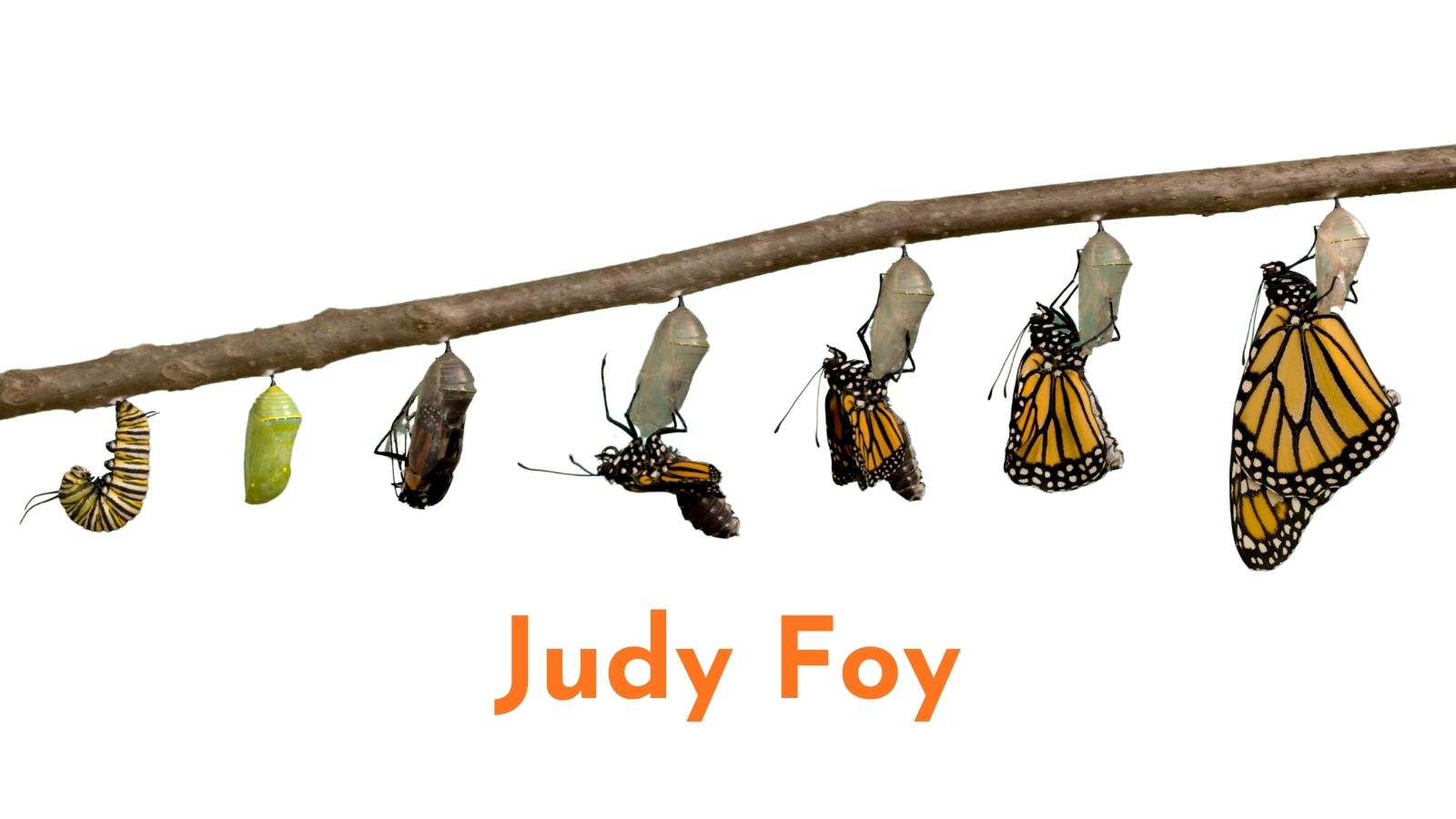
Across centuries of Christian spirituality, writers and mystics have noticed something quietly remarkable: when the usual structures of productivity fall away, a different kind of life sometimes becomes possible. Illness, for all its difficulty, can become what we might call an unintended monastery.
This is not a romantic idea. It does not mean suffering is secretly good or that pain contains hidden blessings we simply need to discover. It is simply an observation: when the scaffolding of ordinary life collapses—when ambition quiets, the calendar empties, and the body establishes limits that cannot be negotiated—life sometimes reorganizes itself around attention, prayer, and presence.
And those three things have always been the heart of the contemplative life.
The wisdom of staying
The early desert monks gave a simple instruction to those seeking God:
Stay in your cell.
Remain in one place long enough for the deeper movements of the soul to become visible. Their great warning was not laziness but distraction—the endless search for novelty that prevents us from encountering ourselves or God.
Chronic illness imposes a version of this stability no monastery rule could enforce. The body simply refuses to go where the will wishes to drive it. The radius of life contracts: a desk by a window, a few rooms, a small garden, a familiar stretch of sky.
And yet within those boundaries something unexpected sometimes occurs. The world that remains begins to reveal a depth and texture that faster living had concealed.
The contemplative writers have always insisted that prayer begins here: not in visions or dramatic experiences, but in learning to be present to reality as it actually is.
The world becomes luminous again
The Psalms repeat this truth again and again: creation itself is alive with the presence of God, if only we are quiet enough to notice.
For those whose lives are limited by illness, the “thin places” where heaven and earth meet are rarely dramatic pilgrimage sites. They are more likely to be ordinary moments:
- afternoon light on a wall
- the steady companionship of birds outside a window
- the slow transformation of a garden through the seasons
What seemed like confinement sometimes becomes a threshold.
A small room that changed the world
History offers a remarkable example.
Julian of Norwich, the fourteenth-century English mystic, spent most of her adult life in a small room attached to a church. From that enclosure—after surviving a severe illness—she produced Revelations of Divine Love, one of the most profound works of Christian theology ever written.
Julian was not preaching to crowds or writing in a great library. She was a woman in a small room, attending faithfully to the presence of God in the life she had been given.
From that quiet life came her extraordinary conviction:
“All shall be well, and all shall be well, and all manner of thing shall be well.”
This was not naïve optimism. It was insight forged in suffering—the recognition that divine love remains present even where life appears to have narrowed or broken.
The vocation within limitation
Our culture often ties identity to productivity and usefulness. When illness removes those capacities, it can feel like exile. Without another way of understanding limitation, life may seem reduced to frustration and loss.
But the contemplative tradition offers a different question.
Not What can I accomplish?
But How can I attend faithfully to what is actually here?
Seen this way, the narrowing of life may not be the end of vocation, but its relocation.
Mornings may become quieter.
Afternoons may be shaped by reading, writing, reflection, or simple attentiveness to the world within reach.
The pace slows.
The world grows smaller.
But it can also become more vivid, more real, more transparent to grace.
The hidden monastery
For many people living with chronic illness, life gradually takes on the rhythm of a hidden monastery.
The walls are invisible.
The cloister might be a garden path or a desk by a window.
The liturgy may be nothing more formal than watching the light move across a room.
But its purpose is ancient:
to live with patient attention
to remain present to what is real
and to discover, even within limitation,
the quiet presence of God.